Benefits of Kidney Beans for Health: Nutrition, Uses, and Amazing Health
Author: Sonu Singh
Meta Description
Discover the amazing health benefits of kidney beans, including improved heart health, weight management, better digestion, and diabetes control. Learn nutrition facts, ways to consume kidney beans, side effects, and FAQs.
Benefits of Kidney Beans for Health
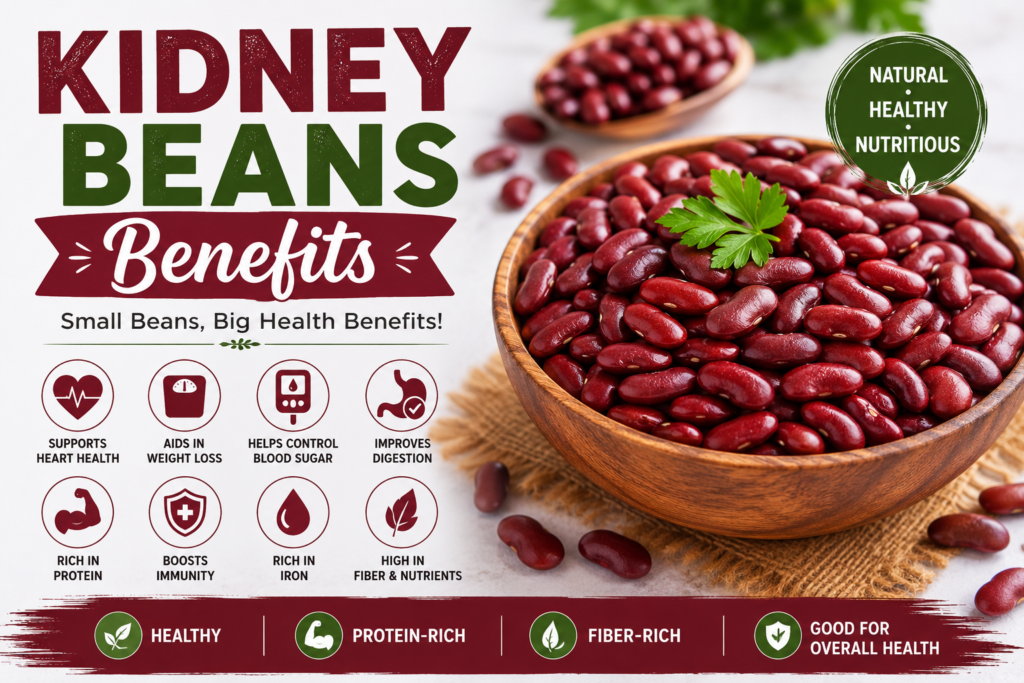
Kidney beans are among the most nutritious and widely consumed legumes in the world. Named for their kidney-like shape, these beans are packed with protein, fiber, vitamins, minerals, and antioxidants that support overall health. Whether you are looking to improve digestion, manage weight, control blood sugar, or boost heart health, kidney beans can be an excellent addition to your diet.
In recent years, health experts and nutritionists have recognized kidney beans as a superfood because of their impressive nutritional profile and numerous health benefits. They are affordable, versatile, and easy to include in daily meals.
In this article, we will explore everything you need to know about kidney beans, including their nutritional value, health benefits, consumption methods, side effects, and frequently asked questions.
What Are Kidney Beans?
Kidney beans are a variety of common beans scientifically known as Phaseolus vulgaris. They are usually dark red in color, although white, light red, and speckled varieties are also available.
These beans are widely used in soups, curries, salads, rice dishes, and vegetarian recipes due to their rich texture and high nutritional value.
Nutrition Facts of Kidney Beans
The nutritional content of kidney beans makes them one of the healthiest plant-based foods available.
Nutritional Value Per 100 Grams (Cooked)
| Nutrient | Amount |
| Calories | 127 |
| Protein | 8.7 g |
| Carbohydrates | 22.8 g |
| Fiber | 6.4 g |
| Fat | 0.5 g |
| Iron | 2.9 mg |
| Magnesium | 45 mg |
| Potassium | 405 mg |
| Calcium | 28 mg |
| Folate | 130 mcg |
Kidney beans are rich in:
- Plant-based protein
- Dietary fiber
- Iron
- Magnesium
- Potassium
- Folate
- Antioxidants
- Complex carbohydrates
Top Health Benefits of Kidney Beans
1. Excellent Source of Plant Protein
Protein is essential for muscle growth, tissue repair, and overall body function.
Kidney beans provide a significant amount of plant-based protein, making them an excellent food choice for vegetarians and vegans.
Benefits include:
- Muscle development
- Tissue repair
- Better immunity
- Increased energy
Adding kidney beans to your meals can help meet daily protein requirements naturally.
2. Supports Heart Health
Heart disease remains one of the leading health concerns worldwide.
Kidney beans contain:
- Soluble fiber
- Potassium
- Magnesium
- Antioxidants
These nutrients help:
- Lower bad cholesterol (LDL)
- Maintain healthy blood pressure
- Improve blood circulation
- Reduce the risk of cardiovascular diseases
Regular consumption may contribute to a healthier heart.
3. Helps Control Blood Sugar Levels
Kidney beans have a low glycemic index, which means they release glucose slowly into the bloodstream.
This helps:
- Prevent sudden blood sugar spikes
- Improve insulin sensitivity
- Support diabetes management
People with Type 2 diabetes often benefit from including kidney beans as part of a balanced diet.
4. Promotes Healthy Digestion
Digestive health is crucial for overall wellness.
Kidney beans are rich in dietary fiber, which helps:
- Improve bowel movements
- Prevent constipation
- Support healthy gut bacteria
- Maintain digestive health
Fiber acts as a natural cleanser for the digestive system.
5. Aids Weight Loss and Weight Management
If you are trying to lose weight, kidney beans can be a great addition to your meal plan.
Their high fiber and protein content helps:
- Increase feelings of fullness
- Reduce hunger cravings
- Control calorie intake
- Support healthy metabolism
People who consume more legumes often find it easier to manage their weight.
6. Rich in Antioxidants
Kidney beans contain powerful antioxidants such as polyphenols and flavonoids.
Antioxidants help:
- Protect cells from damage
- Reduce oxidative stress
- Slow aging
- Strengthen immunity
These compounds play a vital role in disease prevention and overall health.
7. Supports Bone Health
Healthy bones require essential minerals.
Kidney beans provide:
- Magnesium
- Calcium
- Phosphorus
These nutrients contribute to:
- Strong bones
- Better bone density
- Reduced risk of osteoporosis
Including kidney beans regularly can support skeletal health.
8. Boosts Energy Levels
Kidney beans are rich in iron, which is necessary for producing hemoglobin.
Benefits include:
- Better oxygen transport
- Reduced fatigue
- Increased stamina
- Improved physical performance
People with low iron levels may benefit from consuming kidney beans regularly.
9. Supports Healthy Pregnancy
Kidney beans contain folate, a crucial nutrient during pregnancy.
Folate helps:
- Support fetal development
- Reduce birth defect risks
- Promote healthy cell growth
Pregnant women can benefit from folate-rich foods such as kidney beans as part of a healthy diet.
10. Strengthens the Immune System
A strong immune system protects the body against infections.
Kidney beans contain:
- Zinc
- Iron
- Antioxidants
- Vitamins
These nutrients support immune function and help the body fight illness more effectively.
11. May Reduce Cancer Risk
Research suggests that fiber-rich foods and antioxidant-rich foods may contribute to a lower risk of certain cancers.
Kidney beans may help by:
- Reducing inflammation
- Protecting cells from damage
- Supporting digestive health
While they are not a cure, they can be part of a cancer-preventive healthy lifestyle.
12. Improves Gut Health
The fiber in kidney beans acts as a prebiotic, feeding beneficial bacteria in the gut.
Benefits include:
- Improved digestion
- Better nutrient absorption
- Enhanced immunity
- Reduced digestive disorders
A healthy gut contributes to overall health and well-being.
How to Consume Kidney Beans
Kidney beans can be enjoyed in many delicious ways.
1. Kidney Bean Curry (Rajma)
One of the most popular dishes in India.
2. Salads
Mix cooked kidney beans with vegetables and herbs.
3. Soups
Add kidney beans to vegetable or chicken soups.
4. Rice Bowls
Combine with brown rice for a balanced meal.
5. Wraps and Burritos
Use kidney beans as a protein-rich filling.
6. Veggie Burgers
Mash cooked kidney beans and use them in homemade burger patties.
Best Time to Eat Kidney Beans
Kidney beans can be consumed:
- During lunch
- At dinner
- After workouts
- As part of meal-prep dishes
Pairing them with whole grains can improve protein quality and nutrient absorption.
Side Effects of Kidney Beans
While kidney beans are healthy, excessive consumption may cause certain issues.
1. Gas and Bloating
Due to their high fiber content, some individuals may experience:
- Gas
- Bloating
- Digestive discomfort
Soaking beans before cooking can reduce these effects.
2. Digestive Problems
Eating too many beans suddenly may lead to:
- Stomach cramps
- Indigestion
- Loose stools
Increase intake gradually.
3. Toxicity from Raw Beans
Raw or undercooked kidney beans contain a toxin called phytohaemagglutinin.
Symptoms may include:
- Nausea
- Vomiting
- Stomach pain
Always cook kidney beans thoroughly before eating.
4. Possible Allergic Reactions
Although rare, some individuals may be allergic to legumes.
Seek medical advice if symptoms occur after consumption.
Tips for Cooking Kidney Beans
For maximum safety and nutrition:
- Soak overnight.
- Discard soaking water.
- Rinse thoroughly.
- Boil for at least 10 minutes.
- Cook until soft and tender.
Proper cooking improves digestion and nutrient absorption.
Frequently Asked Questions (FAQs)
Q1. Are kidney beans good for weight loss?
Yes. Their high protein and fiber content help increase fullness and reduce overeating.
Q2. Can diabetics eat kidney beans?
Yes. Kidney beans have a low glycemic index and may help regulate blood sugar levels.
Q3. How often can I eat kidney beans?
Most healthy adults can enjoy kidney beans several times per week as part of a balanced diet.
Q4. Are kidney beans rich in protein?
Yes. They are an excellent plant-based protein source.
Q5. Can kidney beans replace meat?
They can partially replace meat in many meals due to their protein content, especially in vegetarian diets.
Q6. Is soaking kidney beans necessary?
Yes. Soaking improves digestibility and helps remove certain compounds that may cause digestive discomfort.
Q7. Are canned kidney beans healthy?
Yes, but choose low-sodium options and rinse them before use.
Q8. Can children eat kidney beans?
Yes. Properly cooked kidney beans can be a nutritious food for children.
Conclusion
Kidney beans are a nutrient-dense superfood packed with protein, fiber, vitamins, minerals, and antioxidants. They support heart health, digestive health, blood sugar control, weight management, immunity, and overall wellness. Their versatility makes them easy to include in various meals, from curries and soups to salads and rice dishes.
When properly soaked and cooked, kidney beans offer exceptional health benefits with minimal side effects. Adding them to a balanced diet can contribute significantly to long-term health and nutrition.
Whether you are looking for a healthy source of plant protein, improved digestion, or better heart health, kidney beans are an excellent choice for people of all ages.
Author: Sonu Singh
Leave a Reply